
Hakone Overnight Itinerary
A relaxed one-night Hakone plan from Tokyo: ryokan and evening onsen, the Open-Air Museum, the scenic loop, Lake Ashi, Fuji-view chances, and how to handle your Tokyo hotel while you're away for a night.
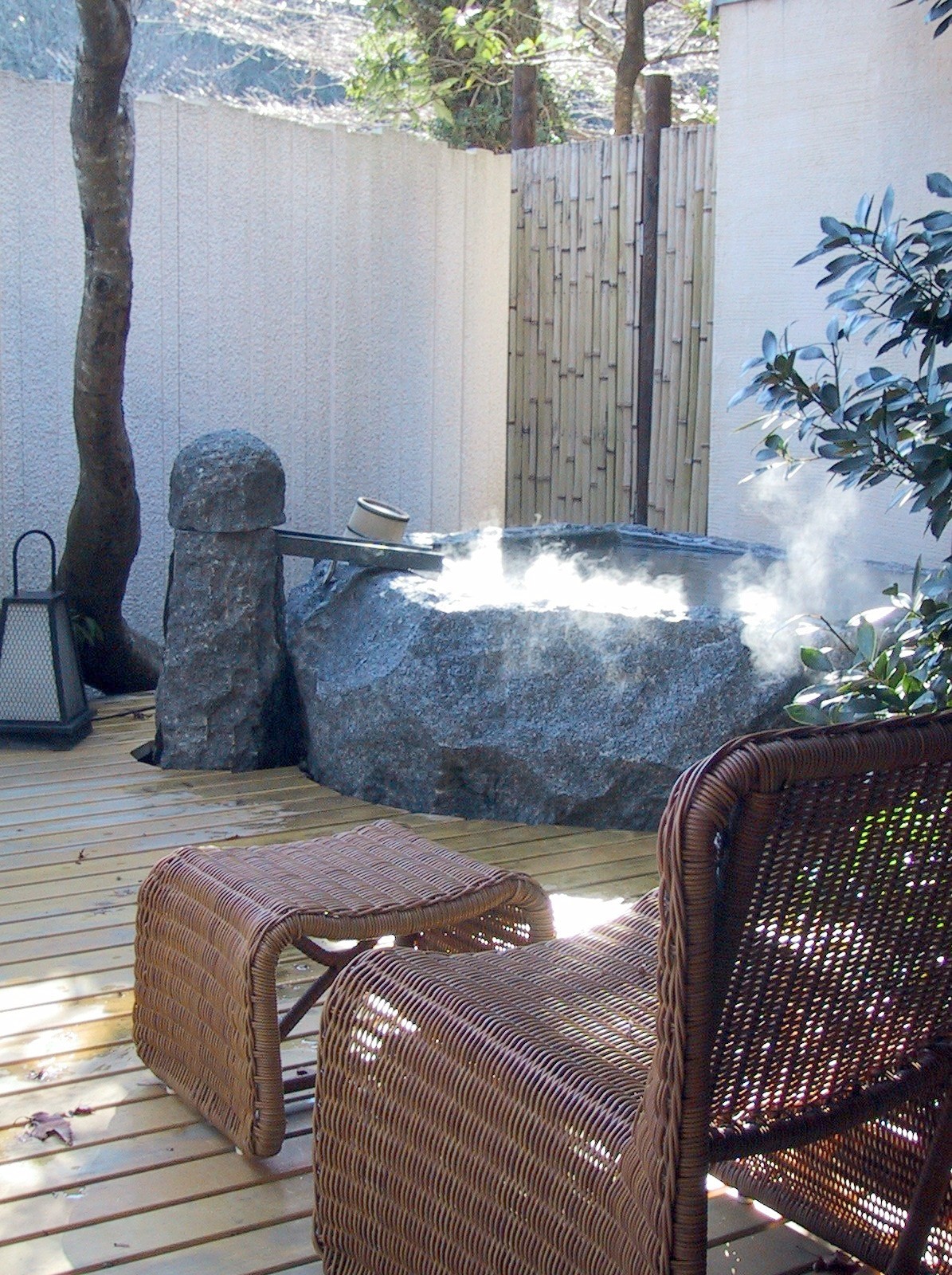
Photo: Chris 73 / Wikimedia Commons · CC BY-SA 3.0
- ✓One night transforms Hakone: you split the scenic loop across two unhurried days, soak in an onsen after the day-trippers leave, and have the lake and shrines nearly to yourself at first light.
- ✓The classic shape is afternoon arrival via Odakyū from Shinjuku (Romancecar for comfort), check in to a ryokan, evening onsen and a kaiseki dinner; then the full railway-ropeway-boat loop the next morning.
- ✓A ryokan with its own onsen is the heart of the stay — an outdoor bath (rotenburo 露天風呂) under the mountains is the experience people remember; some rooms have private baths.
- ✓Pace beats coverage: do the Open-Air Museum properly, linger on Lake Ashi, and skip the rush — the overnight exists precisely so you don't have to race the loop.
- ✓Handle your Tokyo base sensibly — most city hotels will store luggage for a one-night side trip, so travel up with an overnight bag and leave the big case in Tokyo.
- ✓Fuji views remain weather-dependent and best on crisp, dry mornings; a morning on Lake Ashi gives you the best window. Treat fares, times and ryokan details as 'verify current'.
Why one night is the upgrade
Hakone is a fine day trip, but it is a far better overnight, and the reason is simple: the place was built as a resort to be lingered in, not raced through. The scenic loop — mountain railway, cable car, ropeway, lake boat — is slow and lovely by design, and trying to fold all of it plus an onsen and a museum into one day, with the Tokyo travel at both ends, means watching the clock the whole time. Give it a single night and the math relaxes. You split the highlights across two half-days, you soak in the evening once the day-trippers have gone home, and you wake up in the mountains with the lake quiet and the morning light soft.
The other reason is the ryokan itself. Staying over unlocks the part of Hakone that a day visit can only glimpse: a traditional inn, a private or shared onsen, and a multi-course kaiseki dinner of seasonal mountain and seafood dishes brought to you course by course. An outdoor bath — rotenburo 露天風呂 — under the stars after dinner is, for many, the single best memory of a Japan trip. If your schedule can spare a night, this is the day trip we'd convert first.


Day one: arrive, settle, soak
The relaxed shape is to travel up in the late morning or early afternoon. Take the Odakyū line from Shinjuku to Hakone-Yumoto — the Romancecar limited express is the comfortable choice and worth a reserved seat in peak season — then make your way up toward your ryokan. Because you have the next morning for the full loop, day one can be gentle: a single anchor stop rather than the whole circuit. The Hakone Open-Air Museum (Chōkoku-no-Mori) near Gōra is the ideal afternoon: a hillside sculpture park you can wander at your own pace, with a hot-spring foot-bath to rest your feet, right on the Tozan Railway so it's no detour.
Then check in while there's still light, because the evening belongs to the ryokan. Settle in, change into the provided yukata, and take your first onsen soak before dinner — the baths are quietest in the late afternoon and again late at night. Dinner is typically a kaiseki spread served at a set time, so confirm your slot at check-in. After dinner, a second soak in the outdoor bath, under the mountains, is the whole point of staying over. There is nothing else you need to do on day one, and that restraint is exactly what makes the trip restorative.

- Travel up late morning/early afternoon via Odakyū from Shinjuku (Romancecar for comfort).
- One anchor stop on day one — the Open-Air Museum near Gōra is ideal, with its sculpture park and foot-bath.
- Check in with daylight to spare; change into the yukata and take a pre-dinner soak.
- Kaiseki dinner is usually at a set time — confirm your slot at check-in.
- End with an evening soak in the outdoor rotenburo — the heart of the overnight.

Day two: the loop, unhurried
Day two is when the overnight really pays off. Take an early onsen and breakfast, then ride the scenic loop with the morning quiet on your side — well ahead of the day-trippers arriving from Tokyo. From near your inn, pick up the circuit: the Tozan Railway and cable car up the mountain, the ropeway over the steaming Ōwakudani 大涌谷 valley, and the sightseeing boat across Lake Ashi 芦ノ湖. Reaching the lake in the morning is the strategic move of the whole itinerary, because it's both the scenic heart of Hakone and your best window for a Fuji sighting — the mountain, when it shows, sits beyond the red lakeside torii of Hakone Shrine.
Because you're not racing a single-day clock, you can do the loop the way it deserves: linger at the viewpoints, ride a leg twice if it's beautiful, and let weather rather than timetable steer you. From the lakeside, the area buses bring you back toward Yumoto to close the circuit and catch the train to Tokyo in the afternoon. The result is the same set of highlights as the day trip, experienced calmly across two mornings instead of crammed into one tired day.

On Fuji, the same honesty applies as ever: a clear morning is your best chance, and crisp, dry, colder-month days give the best odds, but the mountain is shy and may not appear. Treat a sighting as a gift. Confirm the day's transport status before you set out, as legs occasionally pause for weather or volcanic activity (replacement buses usually bridge the gap).
- Early onsen and breakfast, then ride the loop ahead of the day-trippers.
- Circuit: Tozan Railway + cable car → ropeway over Ōwakudani → Lake Ashi boat → buses back to Yumoto.
- Aim to reach Lake Ashi in the morning — the scenic heart and the best Fuji-view window.
- Linger, re-ride beautiful legs, let weather steer you — the overnight is for pace, not coverage.
- Confirm the day's transport status; legs occasionally pause for weather/volcanic activity (replacement buses bridge gaps).


Tokyo hotel logistics and packing for a night
The one piece of planning a Hakone overnight adds is what to do with your Tokyo base. The simplest approach is not to give it up: keep your Tokyo hotel booked across the side trip, travel up to Hakone with just an overnight bag, and leave your main luggage in the city. Most Tokyo hotels will hold stored bags for guests, and many will hold them even on a night you're checked out and back the next day — confirm the arrangement with your hotel when you plan. Travelling light up the Hakone loop, where you're constantly boarding small trains, cable cars and boats, is a real comfort.
Pack for the mountains: Hakone sits higher and cooler than central Tokyo, so bring a layer even in summer, and rain cover any time of year. Your ryokan will supply yukata, towels and basic toiletries for the onsen, so you need very little beyond a change of clothes and anything personal. Book the ryokan well ahead in peak periods — autumn foliage weekends in particular fill early — and reconfirm your dinner timing and check-in window. As with everything seasonal and volatile, treat fares, train times, pass prices and ryokan specifics as 'verify current', and confirm them when you book rather than relying on a fixed figure here.
- Keep your Tokyo hotel booked across the trip; travel up with an overnight bag and leave the big case in the city.
- Most Tokyo hotels store luggage for guests — confirm the arrangement when you plan.
- Pack a layer (Hakone is cooler and higher) and rain cover; the ryokan supplies yukata, towels and toiletries.
- Book the ryokan well ahead in peak periods, especially autumn foliage weekends.
- Reconfirm dinner timing and check-in; treat fares, times, pass prices and ryokan details as 'verify current'.


Hakone Day Trip from Tokyo
How to do Hakone as a day trip from Tokyo: Odakyū from Shinjuku (fastest on the Romancecar), the classic scenic loop of mountain railway, cable car, Ōwakudani ropeway and Lake Ashi boat, plus onsen, the Open-Air Museum, Fuji-view chances, Free Pass logic and timing.
Read guide
Best Ryokan in Tokyo
What a ryokan stay really is, why authentic ryokan are rarer in central Tokyo than visitors expect, where to find traditional inns in the city — chiefly the old-town east around Asakusa — and when a Hakone or onsen-town overnight is the better way to have the full ryokan experience.
Read guide
Best Onsen Day Trips from Tokyo
Onsen day trips and overnights from Tokyo: Hakone, Kusatsu, the Izu and Atami coast, Chichibu and more — sorted by travel time, day-use vs overnight, tattoo policy, private baths, and season.
Read guide