
Search the guide

Sensō-ji Temple Guide
How to visit Sensō-ji, Tokyo's oldest temple, in Asakusa: the Kaminarimon and Hōzōmon gates, the Nakamise shopping street, the main hall and pagoda, etiquette, the best time to beat the crowds, stations, and old-Tokyo pairings.
Asakusa Neighborhood Guide
Asakusa is the heart of old Tokyo: the great Sensō-ji temple, the Kaminarimon thunder gate and the Nakamise souvenir lane, traditional snacks and crafts, rickshaws, the Sumida River and Skytree views across the water, and atmospheric ryokan-style stays — how to walk Edo-era Tokyo and where it connects.
Traditional Tokyo Itinerary
A traditional Tokyo itinerary chasing the old city: Asakusa and Sensō-ji, the Yanaka old-town lanes, formal Edo-era gardens, a tea ceremony, crafts, and — when the calendar allows — sumo, flowing from morning temples to calm evenings.

Christmas & New Year in Tokyo
How Tokyo does the year-end — Christmas as a romantic, illumination-lit couples' evening rather than a public holiday, and then New Year (お正月) as the real cultural event, with widespread year-end closures, the first-shrine-visit tradition of hatsumōde at Meiji Jingū and Sensō-ji, and a practical strategy for visiting when much of the city briefly shuts down.

Kappabashi Kitchen Town Guide
How to shop Kappabashi Dōgugai (合羽橋道具街), Tokyo's wholesale kitchenware street near Asakusa: Japanese knives, ceramics and tableware, the famous plastic food samples (shokuhin sampuru), professional tools, plus access, knife-care, tax-free and shipping notes, and how to pair it with Sensō-ji.
One Day in Tokyo Itinerary
A high-impact one-day Tokyo route — old Tokyo at dawn in Asakusa, the neon west in Shibuya and Shinjuku by night — with food breaks, transit logic, and honest tradeoffs about what a single day forces you to skip.

Asakusa Old Tokyo Walk
A self-guided half-day walk through old Asakusa: from the Kaminarimon and Sensō-ji out into the quieter side streets, the craft shops and old kissaten, Kappabashi 'Kitchen Town', and down to the Sumida River with its Skytree views — the shitamachi at walking pace.

Temples, Shrines & Old Tokyo
The hub for Tokyo's older, quieter side: temples and shrines, the surviving Edo-era streets and shitamachi neighbourhoods, and the living traditions — sumo, tea, kimono, sentō, craft — that go with them. Where to start and how to fit it into a modern Tokyo trip.
Two Days in Tokyo Itinerary
A two-day Tokyo plan that clusters by geography — old and central Tokyo on day one, the neon west on day two — balancing temples, gardens, food, art and low-regret transport choices.

Best Temples & Shrines in Tokyo
A curated shortlist of Tokyo's most worthwhile temples and shrines, sorted by area, crowd level, cultural weight and first-timer fit — from the famous big two to the quiet local favourites — so you can pick the two or three that suit your trip.

Tokyo Itinerary for First Timers
A first-time Tokyo itinerary that gets the big decisions right first — hotel base, what to book ahead, how the trains work, must-sees and what to skip — then lays out a clear, clustered three-day route balancing temples, neon and food.

Sanja Matsuri Guide
How to experience Sanja Matsuri, Asakusa's wild three-day festival of Asakusa-jinja held over a weekend in mid-May: what it is, the rhythm of the three days, the mikoshi, where to watch, etiquette, crowds and getting there.
Three Days in Tokyo Itinerary
A realistic three-day Tokyo itinerary — old/east Tokyo, the neon west, and an art-and-central day with one ticketed highlight — clustered by geography and balanced across temples, food, pop culture, parks and views.

Tokyo Budget Itinerary
A budget Tokyo itinerary that still feels like the real city: free views and shrines, ¥-savvy eating from konbini and standing counters to depachika markdowns, parks instead of paid attractions, and passes used only when they pay back.

Best Areas to Stay in Tokyo
An area-by-area comparison of where to stay in Tokyo — Shinjuku, Shibuya, Ginza and Tokyo Station, Asakusa and Ueno, Roppongi, and quieter bases — covering what each is like to sleep in, who it suits, and the trade-offs. Areas and types, not a ranked list of named hotels.
Best Hotels in Asakusa & Ueno
How to choose where to stay in old-Tokyo Asakusa and Ueno: atmospheric, temple-side Asakusa for budget value and character, museum-and-park Ueno for the Keisei Skyliner to Narita and dense rail, plus the creative Kuramae–Kappabashi fringe — what each suits and the access trade-offs, rather than which named hotel to book.

Best Ryokan in Tokyo
What a ryokan stay really is, why authentic ryokan are rarer in central Tokyo than visitors expect, where to find traditional inns in the city — chiefly the old-town east around Asakusa — and when a Hakone or onsen-town overnight is the better way to have the full ryokan experience.

Five Days in Tokyo Itinerary
A five-day Tokyo plan that builds on the three-day core and adds a day trip and a deeper-cuts day — old Tokyo, the neon west, art and design, a Hakone/Nikkō/Kamakura escape, and the city's quieter neighbourhoods, with seasonal swaps.

Kimono Rental in Tokyo
Where kimono rental makes sense in Tokyo, what a package includes and what to book, the realities of walking and weather in full dress, seasonal notes from summer yukata to autumn foliage, the etiquette to respect, and the best photo routes.
Neighborhoods in Tokyo
Choose the right Tokyo neighborhood for your trip. We map the city's main areas by what they are actually for — first nights and nightlife, old Tokyo, pop culture, luxury and shopping, west-side calm — so you can pick a base and plan a route through a hundred Tokyos in one city.

Ryōgoku Guide
Ryōgoku is the riverside home of sumo: the Kokugikan arena, the training stables, and the chanko-nabe wrestlers eat — wrapped around the Sumida River with the Edo-Tokyo and Hokusai museums and a strong sense of old eastern Tokyo. Here is how to read the neighborhood and time a visit.

Tokyo Itinerary with Kids
A family Tokyo itinerary built around what actually decides a trip with children — age and energy, stroller friction, parks, indoor attractions, frequent food breaks, and a family-friendly base — with a gentler-paced clustered route.

Tokyo Skytree Guide
Plan a visit to Tokyo Skytree, the tallest tower in Japan: how its two paid decks differ, ticket and fast-track options, the best time to go up, the Tokyo Solamachi mall at its base, access, and how to pair it with Asakusa and the Sumida River.
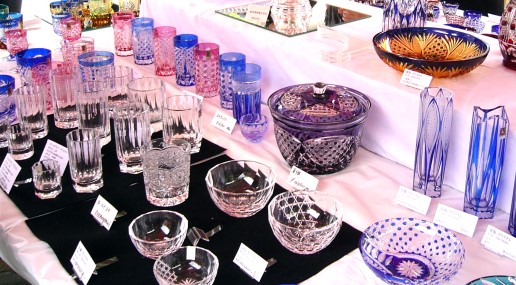
Traditional Crafts in Tokyo
How to find Tokyo's traditional crafts — Edo kiriko cut glass, washi paper, indigo dyeing, hand-forged knives, woodwork and brushes — whether you want to buy a keepsake or make one yourself, organised by craft and by the neighbourhoods where the workshops cluster.

Editorial Policy
How tokyosuki researches, fact-checks and updates its Tokyo guides — and who stands behind them.

Hama-rikyū Gardens Guide
How to visit Hama-rikyū Gardens: the seawater tidal pond, the 300-year pine, and the island teahouse for matcha over the water — with Shiodome and Tsukiji access, the Sumida-river boat link, and Ginza/Tsukiji pairings.
Tokyo Events Guide
An evergreen guide to Tokyo's events by season: the great matsuri, summer fireworks, the Ryōgoku sumo tournaments, the Tokyo Marathon, winter illuminations, Comiket, Halloween and New Year — what each is, where it happens, and when to come.
Tokyo Itinerary Planner
Choose the right Tokyo itinerary by days, interests, hotel base, season, energy level, what to book ahead, and your appetite for day trips — then follow the day-by-day plan that fits.

Tokyo Riverside Walks
Tokyo's easiest waterside walks: the broad Sumida with its bridges and Skytree views, the café-lined Meguro and its cherry tunnel, the quiet Kanda, and the open bayfront — flat, low-effort routes with stations, cafés and seasons.
Ueno Neighborhood Guide
Ueno is Tokyo's culture quarter — a single park holding the city's great national museums, a zoo and a lotus pond, with the cheap-and-cheerful Ameyoko market lanes and a belt of budget hotels just outside. Here is how to read the area, what to see, where to eat, and why it works as an affordable, well-connected base on the old-Tokyo side.
Where to Stay in Tokyo
A framework for choosing where to stay in Tokyo — which area suits which trip, the accommodation types from business hotels to ryokan and capsules, how proximity to a station decides everything, and how to read Tokyo's budget bands. We point you to the right base; we don't rank named hotels.