

Best Souvenirs from Tokyo
What to buy in Tokyo and where to find it: food gifts and depachika sweets, stationery, crafts and kitchenware, character and pop-culture goods, beauty and skincare, tea and sake, plus airport-safe, packing and customs-smart choices — with links to the depachika, Kappabashi, department stores and craft shops behind each idea.
Photo: ayumi kubo / Unsplash
- ✓Food gifts (omiyage お土産) are the classic Tokyo souvenir: depachika sweets and wagashi, regional and limited-edition KitKats, senbei, tea and beautifully boxed treats — light, affordable and universally welcome.
- ✓Japanese stationery is a standout buy: pens, notebooks, washi tape, paper and desk goods of a quality and design hard to find at home, and easy to pack.
- ✓Crafts and kitchenware carry real character — Japanese knives, ceramics and tableware from Kappabashi, lacquer, furoshiki cloths and Edo-craft pieces — though some are fragile and need careful packing.
- ✓Character and pop-culture goods — Pokémon, Studio Ghibli, anime and Sanrio merchandise — are among the most loved gifts, much of it found only in Japan.
- ✓Beauty and skincare (Japanese cosmetics, sheet masks, sunscreens) and tea, sake or matcha are reliable, well-priced gifts — mind the liquid/airline rules on drinks.
- ✓Think about packing and customs from the start: keep tax-free consumables sealed, check your home country's rules on food, alcohol and blades, and favour light, sturdy gifts.
Food gifts and depachika sweets
If you buy one kind of souvenir in Tokyo, make it food. Gift-giving in Japan revolves around omiyage (お土産, travel gifts) and meibutsu (名物, local specialities), and the city is built for it — edible gifts are light, affordable, beautifully packaged and welcome by almost anyone back home. The single best hunting ground is the depachika (デパ地下), the department-store basement food hall, where jewel-like wagashi (和菓子, traditional sweets), patisserie, senbei (rice crackers), pickles, tea and pre-boxed gift sets are laid out for exactly this purpose. A box of seasonal sweets or a tin of elegant biscuits from a depachika is a Tokyo souvenir that feels considered rather than touristy.
Beyond the depachika, the easy crowd-pleasers are regional and limited-edition KitKats (Japan's flavours are famous and change with the seasons), other Japanese chocolate and snacks, and Japanese tea — sencha, hōjicha or matcha — which packs flat and lasts. For drinks, sake and Japanese whisky make memorable gifts but count against airline liquid rules and your home country's alcohol-import allowance, so buy them with your luggage and customs limits in mind. One caution on freshness: many depachika sweets are made for same-day or short-life eating, so check shelf life before buying treats to carry home, and favour the clearly packaged, longer-life gift boxes for travel.

- Depachika sweets and wagashi, regional/limited-edition KitKats, senbei, Japanese tea — light, affordable, well-packaged.
- Sake and Japanese whisky make great gifts but count against airline liquid rules and alcohol-import limits.
- Check shelf life: many fresh depachika sweets are short-life; favour clearly packaged gift boxes for travel.
 Tokyo Depachika Food Halls
The department-store basement food halls — the best place to buy edible Tokyo gifts.
 Best Desserts & Wagashi in Tokyo
The sweets and wagashi worth buying, and where to find Tokyo's best.
 Shopping in Tokyo
The full shopping hub — districts, department stores, vintage, markets and tax-free.
Stationery, crafts and kitchenware
Japan's stationery is a quiet souvenir triumph and arguably the best value of all. Pens, notebooks, washi tape, fine paper, sticky notes and desk goods come in a quality and breadth of design that's hard to match at home — well-made, distinctly Japanese, light and durable to pack, and available at every price. Stationery and variety shops across the city carry it; it's an ideal gift for almost anyone and almost impossible to break in a suitcase. Pair it with washi paper (和紙, traditional Japanese paper) and small paper crafts for a souvenir that's both beautiful and practical.
For something with more weight and character, turn to crafts and kitchenware. Kappabashi — Tokyo's kitchenware street near Asakusa — is the place for Japanese knives (a standout, considered gift), ceramics, tableware and lacquerware, while the city's traditional-craft scene offers Edo kiriko cut glass, dyed textiles, furoshiki (風呂敷, wrapping cloths) and artisan goods that double as gifts and keepsakes. These are richer souvenirs, but mind two things: fragility (ceramics and glass need careful packing or shipping) and blades (knives must travel in checked luggage and may face import rules at home). Buy these as the considered, do-it-properly gifts and the lighter food and stationery as the easy fillers.

- Stationery is the best-value buy: pens, notebooks, washi tape, paper and desk goods — light, durable, beautifully designed.
- Crafts and kitchenware carry character: Kappabashi knives, ceramics and lacquer; Edo kiriko glass, furoshiki and dyed textiles.
- Mind fragility (pack or ship ceramics and glass carefully) and blades (knives go in checked luggage; check home import rules).
 Kappabashi Kitchen Town Guide
Where to buy Japanese knives, ceramics, lacquer and food samples — the considered kitchenware gifts.
 Traditional Crafts in Tokyo
Edo kiriko, washi paper, dyeing and artisan craft — keepsake-quality Tokyo souvenirs.
Map pins
Character and pop-culture goods
For many visitors the most joyful souvenirs are character and pop-culture goods — and Tokyo is the source. Pokémon merchandise from the Pokémon Centers, Studio Ghibli goods, Sanrio (Hello Kitty and friends), and the deep world of anime and manga merchandise are all far better — and often only — found here, with exclusives and ranges you simply can't get abroad. These make wonderful gifts for kids and adult fans alike: plush toys, figures, stationery, apparel, keyrings and the endless small, packable goods that fan culture produces. Character goods also span every budget, from a cheap gachapon (capsule toy) trinket to a collector figure.
Where you buy depends on the fandom. The Pokémon Centers are the one-stop for Pokémon; the Ghibli world centres on the Mitaka museum shop and select stores; anime and manga goods cluster in Akihabara, Nakano and Ikebukuro; and Sanrio and broad character merchandise turn up in department stores, variety shops and Don Quijote. For the focused fan, our dedicated pop-culture guides point to the right shops; for the casual gift-buyer, a character-goods stop folds easily into a day in Shibuya, Shinjuku or Asakusa. Just be aware that some limited and exclusive items sell out, so buy when you see them rather than assuming you'll find them again later.

- Pokémon (Pokémon Centers), Studio Ghibli, Sanrio and anime/manga goods — much of it found only in Japan, with local exclusives.
- Great for kids and adult fans; spans every budget from a gachapon trinket to a collector figure.
- Buy by fandom: Pokémon Centers, the Ghibli museum shop, Akihabara/Nakano/Ikebukuro for anime, department stores and Donki for broad character goods.
- Limited and exclusive items sell out — buy when you see them.


Beauty, tea, sake — and where to buy it all
Two more reliable gift categories round out the list. Japanese beauty and skincare — cosmetics, sheet masks, sunscreens and haircare — are beloved souvenirs: high quality, often well-priced, light to pack, and easy to buy at drugstores, variety shops, department stores and Don Quijote. And drinks and tea make characterful gifts: loose-leaf Japanese tea and matcha pack flat and last, while sake, shōchū and Japanese whisky are memorable but bound by airline liquid rules and import allowances, so buy them late and within your limits. Across all of these, Japan's packaging makes even modest gifts feel considered.
On where to buy: match the gift to the shop. The depachika and department stores cover food, sweets, beauty and gift wrapping under one roof; Kappabashi handles knives and ceramics; the craft shops handle keepsakes; the Pokémon Centers and anime districts handle character goods; and Don Quijote is the cheap, late-night one-stop for snacks, cosmetics and novelty in bulk. If you want a single efficient sweep, a department store plus a Donki covers most lists; if you want quality and character, spread it across the specialists. Each linked guide goes deeper on its category, so you can plan a souvenir route rather than a panicked airport dash.

- Beauty and skincare (cosmetics, sheet masks, sunscreens) — quality, well-priced, light; from drugstores, department stores and Donki.
- Tea and matcha pack flat and last; sake, shōchū and whisky are great but bound by airline liquid and import rules.
- Match gift to shop: depachika/department stores for food and beauty, Kappabashi for kitchenware, craft shops for keepsakes, Pokémon Centers/anime districts for character goods, Donki for a cheap one-stop.
Packing, customs and airport-safe choices
A great souvenir haul can be undone at the airport, so plan for travel from the start. Three rules keep it smooth. First, tax-free consumables: if you buy food, drinks or cosmetics tax-free, they're sealed in a marked bag and are meant to leave Japan unopened, so don't crack into tax-free snacks before you fly (general goods can be used). Second, liquids and luggage: alcohol, large cosmetics and anything sharp can't go in carry-on, so plan to check them, and remember Japan's airports also sell duty-free if you'd rather buy drinks after security. Third, fragility: ceramics and glass need real protection — pack them in clothing or ask shops about shipping bulky breakables home.
Customs at home is the final check most people forget. Many countries restrict bringing in food (especially fresh, meat or dairy items), limit how much alcohol you can carry duty-free, and regulate blades — so favour shelf-stable sweets, sealed snacks, tea, stationery and crafts as safe bets, and verify your own country's rules before buying food, alcohol or knives in quantity. We keep prices and exact allowances out of the prose because they vary and change; verify the specifics, and let the airport-safe favourites — stationery, sealed sweets, tea, beauty and character goods — anchor your list.
- Keep tax-free consumables sealed — they must leave Japan unopened.
- Alcohol, large cosmetics and sharp items go in checked luggage; airports also sell duty-free after security.
- Protect ceramics and glass; ask shops about shipping bulky breakables.
- Check home customs on food, alcohol and blades; safest packable bets: stationery, sealed sweets, tea, beauty and character goods.
Tokyo souvenirs at a glance
Use this card to plan a souvenir route. The categories — food gifts, stationery, crafts and kitchenware, character goods, beauty and drinks — and where to buy each are evergreen; the volatile details (prices, exact tax-free thresholds, customs allowances) change, so verify them on the day and before you fly.
- Food gifts: depachika sweets and wagashi, regional KitKats, senbei, tea — light, affordable, welcome by all.
- Stationery: the best-value buy — pens, notebooks, washi tape and paper, easy to pack.
- Crafts and kitchenware: Kappabashi knives and ceramics, Edo kiriko glass, furoshiki — characterful but mind fragility and blades.
- Character goods: Pokémon, Ghibli, Sanrio and anime merchandise, much of it Japan-only.
- Beauty, tea, sake: reliable, well-priced gifts — mind liquid and customs rules on drinks.
- Pack smart: keep tax-free consumables sealed, check it travels, and verify home customs on food, alcohol and knives.

Tokyo Depachika Food Halls
How to use Tokyo's department-store basement food halls (depachika) for bento, sweets, gifts, picnic meals and an easy last-night dinner — the famous halls, the late-day discounts, and the manners.
Read guide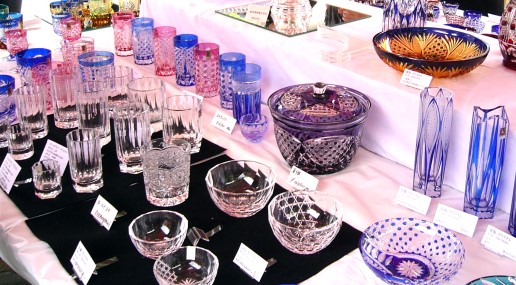
Traditional Crafts in Tokyo
How to find Tokyo's traditional crafts — Edo kiriko cut glass, washi paper, indigo dyeing, hand-forged knives, woodwork and brushes — whether you want to buy a keepsake or make one yourself, organised by craft and by the neighbourhoods where the workshops cluster.
Read guide
Pokémon Centers in Tokyo
Compare Tokyo's Pokémon Centers by location, exclusives, crowds, nearby attractions and family-friendly routing — from the Shibuya and Ikebukuro stores to the Mega flagship and the reservation-only Pokémon Café — so you pick the right one for your day.
Read guideMore in Shopping
6
Akihabara Shopping Guide
Akihabara shopping for anime, electronics, games, PCs, tax-free stores, secondhand finds, and beginner routes — how to read Electric Town's multi-floor buildings and buy without getting overwhelmed.
Read guide
Don Quijote Tokyo Guide
How to use Don Quijote (ドン・キホーテ, 'Donki') in Tokyo: the famously crammed discount-chain experience, what it's brilliant and useless for, late-night and 24-hour convenience, tax-free counters, crowd timing, the MEGA Donki format, and what not to buy there.
Read guide
Ginza Shopping Guide
Ginza shopping for luxury, department stores, depachika, stationery, galleries, architecture, and tax-free basics — what to buy and which buildings and streets to aim for on Tokyo's grandest shopping district.
Read guide
Harajuku & Omotesandō Shopping
Shop Harajuku and Omotesandō for street fashion, kawaii goods, design, vintage, sneakers, and calm backstreets — the loud teen energy of Takeshita-dōri and the tree-lined design flagships of Omotesandō, plus where to escape the crowds.
Read guide
Kappabashi Kitchen Town Guide
How to shop Kappabashi Dōgugai (合羽橋道具街), Tokyo's wholesale kitchenware street near Asakusa: Japanese knives, ceramics and tableware, the famous plastic food samples (shokuhin sampuru), professional tools, plus access, knife-care, tax-free and shipping notes, and how to pair it with Sensō-ji.
Read guide
Nakano Broadway Shopping Guide
Shop Nakano Broadway for manga, figures, watches, vintage toys, Mandarake sections, prices to verify, and food breaks — the collector's counterpoint to Akihabara, all inside one famous retro mall.
Read guide